The Old-Skill Myth: Why Rural Knowledge Keeps Changing
Rural knowledge changes with materials, tools and local conditions. Learn to trace why a practice shifted and carry its useful judgment forward without treating it as a fixed rule.
The common mistake with rural knowledge is to treat the oldest remembered version as the only authentic one. That can turn a working tradition into a rulebook and obscure the practical reasons people adapted it. To understand how rural knowledge evolves, look at what a practice is for, what changed, and which local conditions prompted the change.
Begin with the practical purpose
Choose a specific activity with a recognizable name: repairing a field gate, storing seed, making a hedge, or preparing a tool for seasonal work. A broad label such as “farm craft” is too large to examine closely. Pick a task you can describe plainly and, if possible, see where it is done.
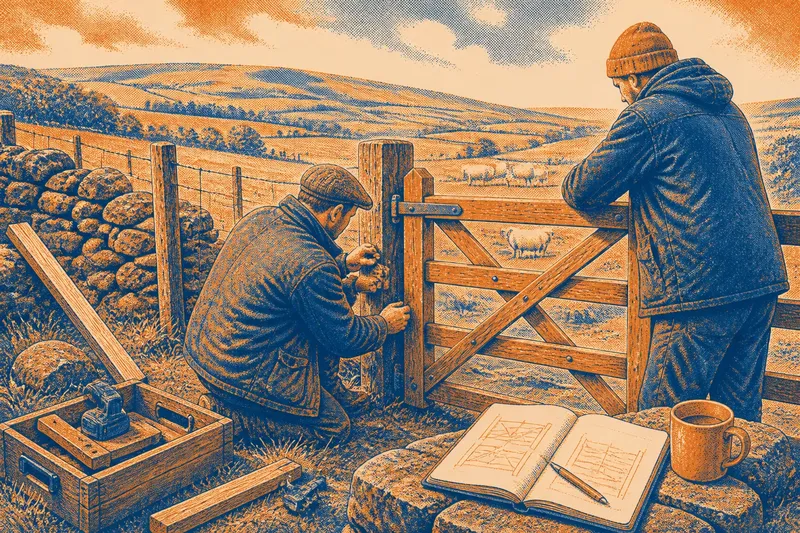
Ask what the task needs to accomplish. A gate repair, for instance, may need to keep livestock inside while remaining easy for a person to open. That purpose helps distinguish a meaningful adaptation from a change that merely looks different.
Consider the setting, too. A method used on exposed upland ground may not suit a sheltered lane, wet soil, or a site with different livestock. A familiar name does not mean every place uses the same materials or sequence.
Look for the decisions inside the work
Rather than treating a tradition as a finished recipe, pay attention to the choices a practitioner makes. What do they inspect before starting? What tells them to choose one material over another? Which part do they adjust as the work proceeds?
Ask how the method would change if a material were unavailable, the weather turned wet, or the site were used differently. These questions bring out the judgment that a simple description of tools and steps can miss.
Keep visible actions distinct from explanations. “The worker adds a short brace near the latch” is an observation. “The brace is there because animals push hardest at that spot” is an explanation to confirm with the person doing the work. The difference helps you avoid presenting your interpretation as someone else’s knowledge.
Follow changes in materials and tools
Compare what is used now with an earlier account or a surviving object. A locally cut timber post and a purchased treated post may serve the same broad purpose, but they call for different preparation and may behave differently in the ground.
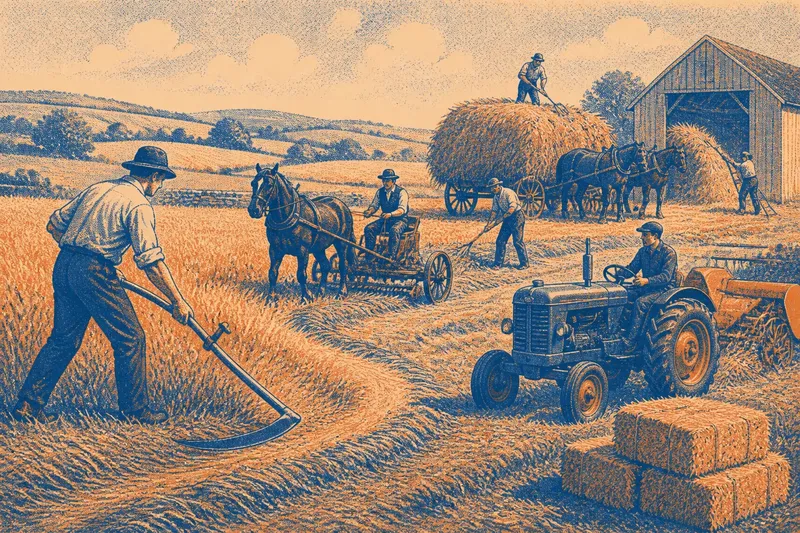
Then consider what a changed tool makes possible. A hand tool, portable power tool, and shared workshop machine may each support a related task while changing its pace, finish, or scale. A newer tool does not necessarily replace older judgment: its user may still need to read timber, soil, weather, or wear.
Separate changes in equipment from changes in purpose. A practice can keep its name while its materials, tools, or working conditions shift. The name may signal continuity, but it cannot tell you by itself how the work is done today.
Read a tradition through its local setting
Look for conditions that could shape a version of the work: soil, exposure, water, available materials, access, livestock, land use, and season. Ask which conditions the practitioner checks before starting and which can be handled as the job proceeds.
Maintenance can explain a change as clearly as construction. A method may have grown around materials that were easy to replace locally or a habit of regular inspection. If supplies or land use change, an arrangement may need to change with them even when its outward form looks familiar.
Say you are learning to repair a gate on a damp, exposed pasture. The keeper shows you a timber design used there and describes a lighter arrangement at a sheltered paddock nearby, where the ground and use differ. You note the shared purpose and the reason for the material difference. The resulting account helps you ask what each site requires instead of copying one design into both places.
How do you decide what a change means?
How can I tell whether a practice has changed?
Compare a present-day account with a specific earlier memory, object, or description, then identify what differs: material, tool, sequence, or setting. Keep the claim local if the evidence concerns only one version of the practice.
Does a changed tool make a practice less traditional?
Not by itself. Ask whether the tool changed the task’s purpose or the judgment involved, or only the means of doing the work.
What should I do when local accounts conflict?
Ask which places, periods, or tasks each person means, since one name may cover different versions. Keep the accounts distinct until you have a clear reason to connect them.
Can a practice keep its name after its materials change?
Yes. A familiar name can remain in use after materials or tools shift, so record the name alongside what people actually use and do.
Leave a record that preserves the reasoning
A useful account does more than list equipment. Note what the practitioner was trying to achieve, which decision points changed the work, and what conditions made those choices sensible. Ask permission before recording someone’s words or photographing their work, and clarify whether your notes are private or intended to be shared.
- Check what task the person is doing; if its purpose is clear, describe it in plain language, but if it is not, ask before interpreting the method.
- Check which materials are actually used; if they differ from an older account, record the difference, but if their history is unknown, mark it as unknown rather than guessing.
- Check which tools shape the work; if a tool changes the sequence or judgment, describe that effect, but if it only replaces another tool, say so without claiming the practice is unchanged in every respect.
- Check what local conditions influence the choice; if a condition matters, name it, but if you cannot tell, leave the reason open for a follow-up question.
- Check whether two accounts refer to the same place and task; if they do, ask what explains the disagreement, but if they do not, keep them as separate versions.
- Check whether applying the method elsewhere could affect land, animals, or safe work; if it could, seek qualified local guidance, but if it does not, still confirm that the new setting fits the method.
Rural knowledge keeps changing as people work with shifting materials, tools, and circumstances. The most useful account does not insist that a custom never changed. It shows what people still recognize, what they adjusted, and which local judgments someone must learn before carrying the practice elsewhere.